


The Rise of Generative Design: AI Tools Transforming 2D Creative Workflows
2D graphics, AI
14.06.2026
 Other news
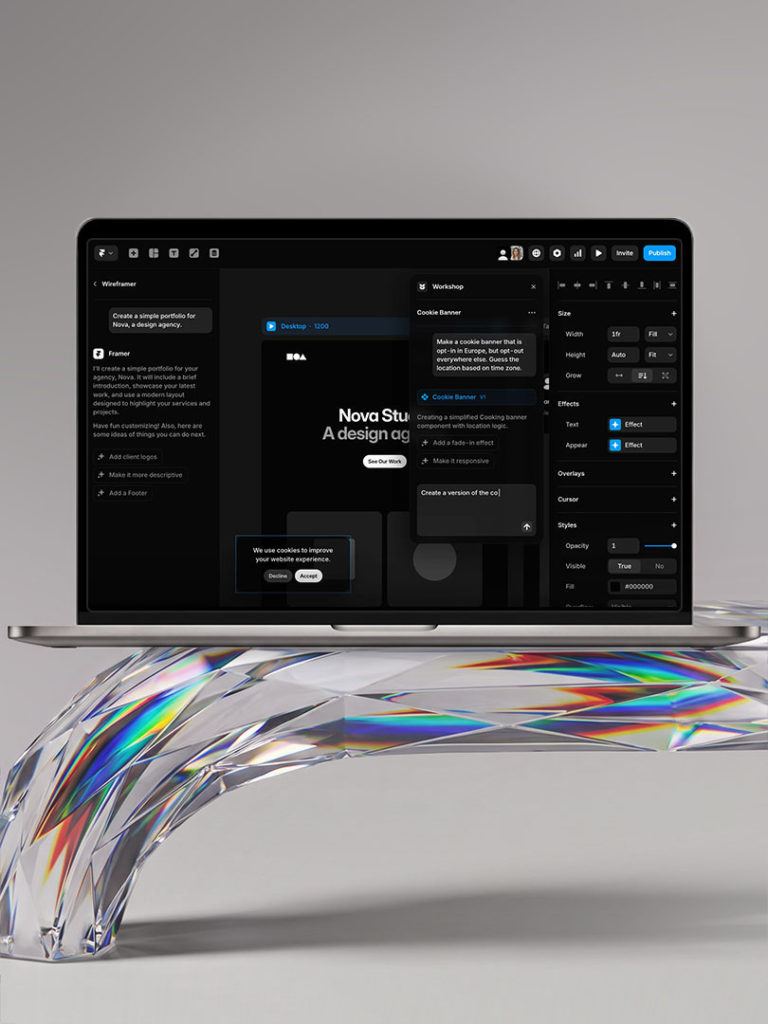
The world of 2D graphic design is experiencing a renaissance driven by generative AI tools that are reshaping how designers approach everything from logo creation to complex brand identity systems. Where traditional design workflows required hours of manual iteration, sketching, and refinement, modern AI-powered tools can generate dozens of viable concepts in seconds, allowing designers to explore a vastly broader creative space than would be possible through conventional methods alone. This shift is not about replacing human creativity but about amplifying it, as designers find themselves freed from the most tedious aspects of their work and able to focus on higher-level strategic and creative decisions that truly benefit from human intuition and experience.
Large Language Models and Diffusion in Design
At the core of this transformation are large language models and diffusion-based image generators that have been fine-tuned specifically for design applications. Tools like Adobe Firefly, Canva Magic Studio, and Figma’s AI features represent a new category of creative software that understands design principles, color theory, typography, and composition at a sophisticated level. When a designer requests a brand identity system, the AI can generate not just a single logo but a comprehensive suite of assets including color palettes, typography pairings, pattern libraries, and usage guidelines that maintain visual coherence across applications. This holistic approach to design generation represents a significant departure from earlier AI tools that simply produced isolated images without consideration for how they would function within a broader design system.
Productivity and Creative Output Metrics
The impact of generative design tools on professional workflows has been profound, with agencies and in-house design teams reporting significant increases in productivity and creative output. Research conducted by Adobe found that designers using AI-assisted workflows completed routine tasks up to 60% faster than those working with traditional tools alone, with the most significant gains observed in areas like asset generation, layout exploration, and color palette development. Perhaps more importantly, designers report that AI tools help them overcome creative blocks by providing unexpected combinations and novel approaches that they might not have considered otherwise. This serendipitous aspect of generative design has proven particularly valuable in brainstorming and concept development phases, where the ability to rapidly explore divergent ideas is most critical.
Originality and Copyright Considerations
Critics of generative design tools have raised legitimate concerns about originality, copyright, and the potential homogenization of visual culture when AI systems trained on existing design work produce outputs that may inadvertently replicate protected styles or elements. Designers and studios have responded by developing careful workflows that treat AI outputs as starting points for further creative development rather than finished products, ensuring that human authorship and creative judgment remain central to the design process. Additionally, several major platforms have implemented provenance tracking and copyright verification systems that help designers understand the training data behind their AI tools and make informed decisions about how to use generated content responsibly. These safeguards are essential for maintaining the integrity and originality that clients expect from professional design services.
Workflow Integration Strategies
Looking ahead, the trajectory of generative design points toward increasingly sophisticated systems that can understand and respond to complex creative briefs with minimal human guidance. We are already seeing early versions of AI design assistants that can engage in extended creative dialogues with designers, refining concepts based on feedback and learning individual designer preferences over time. These systems promise to become genuine creative collaborators rather than simple productivity tools, capable of contributing original ideas and perspectives that enrich the design process. The designers who will thrive in this new landscape are not those who resist AI but those who develop the skills to direct, critique, and build upon AI-generated concepts effectively, combining the best of human creativity with machine intelligence.
Educational Implications for Designers
The practical integration of generative design tools into existing studio workflows has required careful attention to how these tools affect team dynamics and creative processes. Design teams that have successfully adopted generative AI report that the most effective approach is to designate specific phases of the creative process where AI contribution is most valuable, rather than attempting to use AI throughout the entire workflow. Common patterns include using AI for initial concept generation and exploration, applying AI to generate variations for client review, and leveraging AI for production tasks like asset resizing and format adaptation. Teams that maintain clear boundaries around AI use while remaining open to its creative potential tend to achieve the best balance of productivity and creative quality.
Legal and Contractual Evolution
The educational implications of generative design tools are significant, as design schools and training programs revise their curricula to prepare students for an AI-augmented professional environment. Forward-looking programs are teaching students not only how to use AI tools effectively but also how to critically evaluate AI outputs, understand the limitations and biases of generative models, and develop the creative direction skills that will become increasingly valuable as AI handles more routine design tasks. There is growing recognition that the designers of the future will need to be skilled prompt engineers, capable of communicating creative intent to AI systems with precision, as well as traditional designers with strong foundational skills in typography, composition, and visual communication.
The Path Forward
The legal and contractual landscape around generative design is evolving rapidly as courts and legislatures grapple with questions about copyright ownership of AI-generated works, liability for AI outputs that infringe on existing rights, and the status of training data that includes copyrighted material. Designers and studios working with generative tools must stay informed about these legal developments and structure their workflows and contracts accordingly. Many organizations have established internal guidelines that require human review and modification of AI-generated designs before they are presented to clients or published, both to ensure quality and to establish clear chains of creative authorship. These practices are likely to remain important as the legal framework around AI creativity continues to develop.
Looking ahead, the trajectory of generative design points toward increasingly sophisticated systems that can understand and respond to complex creative briefs with minimal human guidance. We are already seeing early versions of AI design assistants that can engage in extended creative dialogues with designers, refining concepts based on feedback and learning individual designer preferences over time. These systems promise to become genuine creative collaborators rather than simple productivity tools, capable of contributing original ideas and perspectives that enrich the design process. The designers who will thrive in this new landscape are not those who resist AI but those who develop the skills to direct, critique, and build upon AI-generated concepts effectively, combining the best of human creativity with machine intelligence.



Insights & Updates
The latest from the studio — project launches, behind-the-scenes looks, and thoughts on design, technology, and creative process.
Ready to get started?
Hey there! Looking to team up with a creative genius (that’s you!) for an exciting project? I’m all ears! Let’s combine our superpowers and make something awesome together!