



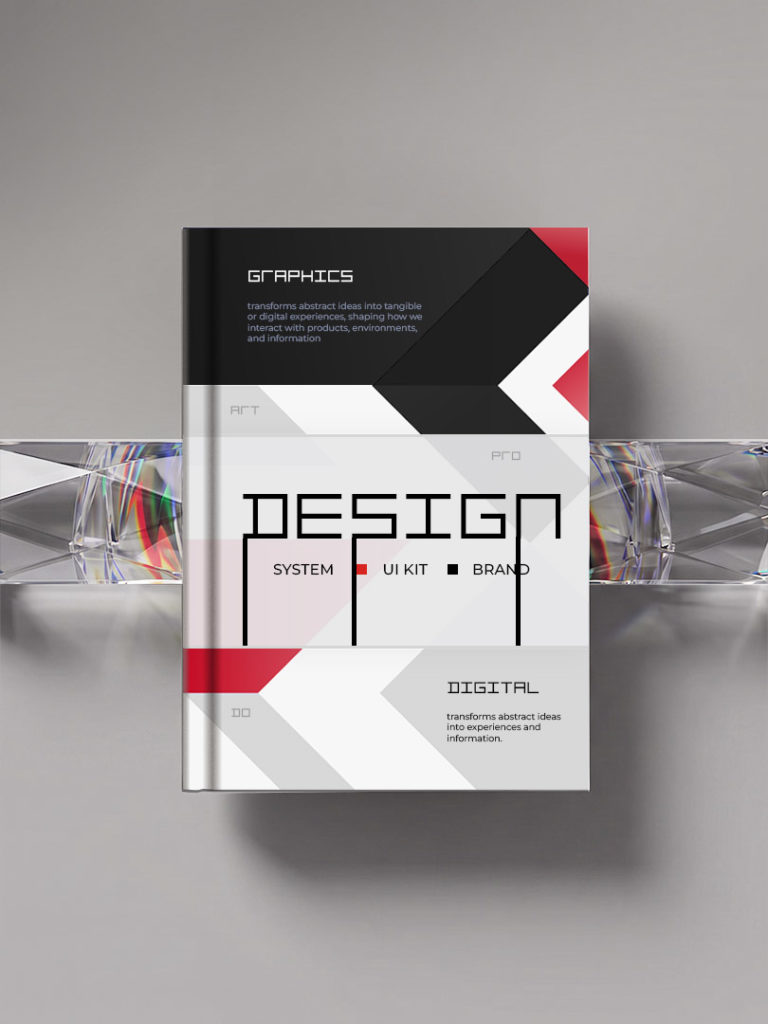

The relationship between human creativity and artificial intelligence has been a subject of fascination, concern, and debate since the earliest days of computing. In the field of graphics design, this relationship has entered a new phase as AI systems have become capable of producing work that rivals or exceeds what humans can achieve in certain specific domains. Rather than making human designers obsolete, however, this capability is creating a new paradigm of human-machine collaboration that combines the strengths of both partners: the creativity, intuition, and contextual understanding of human designers with the speed, consistency, and scalability of AI systems. Understanding and mastering this collaborative relationship has become one of the most important skills for contemporary designers.
Models of Effective Human-AI Partnership
The most successful models of human-AI collaboration in design have emerged from careful analysis of what each partner does best. AI systems excel at tasks that require processing large amounts of information quickly, generating variations within defined parameters, identifying patterns in data, and maintaining consistency across large volumes of work. Human designers excel at understanding context and nuance, making creative leaps that go beyond established patterns, evaluating results against subjective criteria, and understanding the emotional and cultural implications of design decisions. Effective collaboration assigns tasks to the partner best suited to perform them, with the human designer providing creative direction and the AI system handling execution and exploration within the defined parameters.
Structured Creative Workflows with AI
Practical frameworks for human-AI collaboration in design have been developed by studios and agencies that have been early adopters of AI tools. These frameworks typically structure the creative process into phases that leverage AI for divergent exploration and human judgment for convergent refinement. In the exploration phase, AI systems generate a broad range of concepts and variations based on the creative brief, allowing the design team to survey the creative landscape and identify promising directions. In the refinement phase, human designers evaluate the generated concepts, select the most promising candidates, and provide direction for further AI generation. In the final production phase, AI tools handle the technical execution of approved designs, with human oversight ensuring quality and consistency. This structured approach ensures that AI augment rather than replace human creative judgment throughout the design process.
Team Dynamics and Creative Satisfaction
The impact of AI collaboration on design teams has been measured in several dimensions beyond simple productivity gains. Design teams that effectively integrate AI tools report higher levels of creative satisfaction, as team members spend less time on repetitive tasks and more time on creative challenges that engage their skills and imagination. The quality of design output has also improved in many cases, as AI enables teams to explore a wider range of options and identify creative solutions that might not have emerged from human-only processes. Perhaps most importantly, AI collaboration has enabled design teams to take on projects of greater scope and complexity than would have been feasible with traditional methods, expanding the range of what they can offer to clients and the impact they can have on their organizations.
Psychological Dimensions of Collaboration
The ethical dimensions of human-AI collaboration in design deserve careful consideration as these technologies become more prevalent. Questions about attribution and credit, the value of human creative labor, and the potential for AI systems to perpetuate or amplify biases present in their training data are being actively debated by designers, researchers, and policymakers. The design community has a responsibility to develop and advocate for practices that ensure AI tools are used in ways that respect the rights of creators, maintain the integrity of the design profession, and produce work that serves the needs of clients and audiences effectively. The designers who will thrive in the age of AI are those who combine strong creative skills with thoughtful engagement with the ethical implications of their tools, using AI to enhance rather than diminish the human element that gives design its power to communicate, persuade, and inspire.
Measuring Creative Output in AI Workflows
The psychological and emotional aspects of human-AI collaboration in design deserve careful consideration, as the relationship between human creators and their tools fundamentally affects the creative experience. Designers who work extensively with AI tools report a range of psychological responses, from excitement about expanded creative possibilities to anxiety about the changing nature of their profession and the value of their skills. Studios and organizations that have successfully integrated AI into their design practices have found that supporting designers through this transition requires attention to both the practical and emotional dimensions of the change. Providing opportunities for designers to develop AI skills, maintaining transparency about how AI tools are being used and developed, and celebrating the unique value of human creativity in an AI-augmented workflow all contribute to a positive and productive human-AI collaborative environment.
Global Access and Cultural Equity
The measurement and evaluation of creative output in human-AI collaborative workflows presents new challenges for design organizations accustomed to traditional performance metrics. Standard productivity metrics like time-to-completion and output volume become less meaningful when AI tools can generate designs in seconds but still require human judgment to evaluate and refine. More sophisticated evaluation frameworks are emerging that consider the quality of creative direction, the novelty and originality of final outputs, and the effectiveness of designs in achieving their communication objectives. Organizations that develop thoughtful approaches to evaluating human-AI collaborative work are better positioned to recognize and reward the skills that are most valuable in this new paradigm, including prompt engineering, creative direction, critical evaluation of AI outputs, and the ability to combine AI-generated elements with human creative contribution effectively.
Ethical Responsibilities of the Design Community
The global dimension of human-AI collaboration in design introduces considerations about access, equity, and cultural diversity that are increasingly important as AI tools become central to design practice. Designers and studios in different regions have varying levels of access to AI tools, training, and infrastructure, creating potential disparities in competitive advantage and creative opportunity. Efforts to democratize access to AI design tools through open-source platforms, educational initiatives, and affordable pricing models are helping to address these disparities, but significant gaps remain. The global design community has a collective interest in ensuring that the benefits of AI-enhanced design are distributed broadly rather than concentrated in regions and organizations with existing advantages. International cooperation and knowledge sharing will be essential for realizing the full potential of human-AI collaboration in design across global creative communities.
The ethical dimensions of human-AI collaboration in design deserve careful consideration as these technologies become more prevalent. Questions about attribution and credit, the value of human creative labor, and the potential for AI systems to perpetuate or amplify biases present in their training data are being actively debated by designers, researchers, and policymakers. The design community has a responsibility to develop and advocate for practices that ensure AI tools are used in ways that respect the rights of creators, maintain the integrity of the design profession, and produce work that serves the needs of clients and audiences effectively. The designers who will thrive in the age of AI are those who combine strong creative skills with thoughtful engagement with the ethical implications of their tools, using AI to enhance rather than diminish the human element that gives design its power to communicate, persuade, and inspire.


Insights & Updates
The latest from the studio — project launches, behind-the-scenes looks, and thoughts on design, technology, and creative process.
Ready to get started?
Hey there! Looking to team up with a creative genius (that’s you!) for an exciting project? I’m all ears! Let’s combine our superpowers and make something awesome together!