




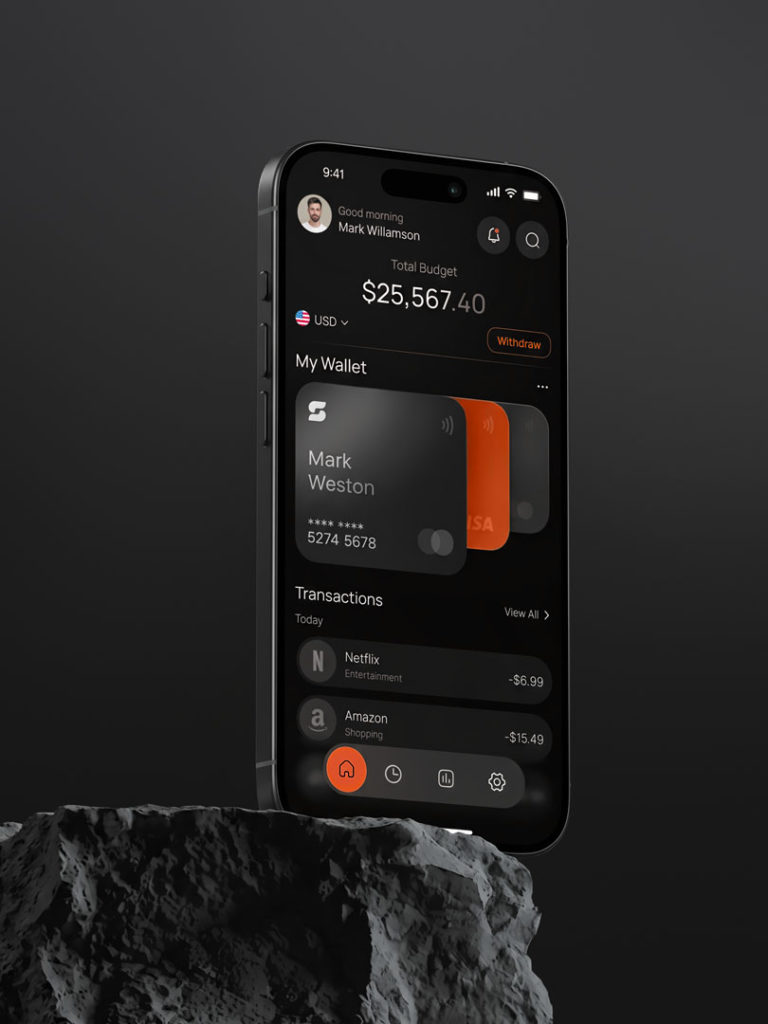
The graphic design industry is undergoing a fundamental transformation as artificial intelligence systems become increasingly capable of understanding and applying design principles with sophistication that rivals human expertise. Smart design systems, which combine machine learning algorithms with comprehensive knowledge bases of design rules and best practices, are enabling a new generation of tools that can automate complex design tasks while maintaining high standards of visual quality and brand consistency. These systems are not merely automating existing workflows but are creating entirely new categories of design capability that were previously impossible, from real-time adaptive branding to personalized design generation at scale. For design professionals, understanding and leveraging these capabilities has become essential for remaining competitive in a rapidly evolving marketplace.
Layout Generation and Intelligent Composition
The most visible manifestation of AI in graphic design has been in the realm of layout generation and composition. Modern AI layout engines can analyze content elements including text, images, and branding assets, and generate multiple layout options that respect design principles like hierarchy, balance, contrast, and alignment. These systems understand the semantic relationships between content elements, ensuring that related information is grouped appropriately and that visual emphasis is placed where it serves the communication objectives of the design. Tools like Adobe Sensei and Canva’s Magic Design have demonstrated the practical value of AI layout generation, enabling users to create professional-quality designs with minimal manual adjustment. For professional designers, these tools serve as powerful starting points that can be refined and customized rather than as replacements for human creative judgment.
Typography Transformation Through AI
Typography, one of the most nuanced and challenging aspects of graphic design, has also been transformed by AI capabilities. Machine learning models trained on thousands of typefaces can analyze the characteristics of fonts and make intelligent recommendations for pairings that create visual harmony while serving the communicative needs of a design. AI typography tools can also automate the technically demanding process of kerning, tracking, and leading adjustment, ensuring that text is set with the precision expected of professional typography. More advanced systems can even generate custom typefaces based on brand characteristics or design briefs, creating unique typographic identities that would have required weeks of specialized labor to produce using traditional methods. These capabilities have made sophisticated typography accessible to designers who may lack deep typographic expertise.
Brand Identity Management at Scale
Brand identity management has emerged as a particularly promising application area for AI in graphic design. Maintaining visual consistency across hundreds or thousands of touchpoints, from business cards to billboards to social media graphics, is a significant challenge for any organization. AI-powered brand management systems can analyze existing brand assets, extract the essential visual rules that define a brand identity, and apply those rules consistently across any design format. When designers need to create new on-brand assets, these systems can generate layouts, select colors, and recommend typography that aligns with established brand guidelines, dramatically reducing the time required for brand-compliant design production. This capability is especially valuable for organizations with distributed design teams or large volumes of content production.
Tool Ecosystem and Platform Selection
The integration of AI into graphic design workflows raises important questions about the nature of creativity and the role of human designers in an increasingly automated field. Some observers worry that reliance on AI design tools could lead to homogenization of visual culture, as systems trained on similar datasets produce outputs that share a family resemblance regardless of the specific design brief. Others point out that the most innovative and memorable design work has always come from pushing against established conventions, something that AI systems trained on existing work may be poorly equipped to do. The most likely outcome is a middle path in which AI handles routine and repetitive design tasks while human designers focus on creative direction, strategy, and the kind of breakthrough thinking that requires genuine understanding of culture, context, and human experience.
Data-Driven and Evidence-Based Design
The tools and platforms available for AI-enhanced graphic design have expanded rapidly, creating a fragmented ecosystem that designers must navigate carefully. Adobe’s suite of AI features, integrated directly into Photoshop, Illustrator, and InDesign, offers the advantage of seamless workflow integration for designers already invested in the Adobe ecosystem. Canva’s Magic Studio has positioned itself as an accessible entry point for AI design, particularly appealing to non-designers and small business owners who need professional-quality output without extensive training. Figma’s AI capabilities have been optimized for collaborative design workflows, enabling teams to leverage AI for rapid prototyping and design system management. Each platform has distinct strengths and limitations, and professional designers increasingly need familiarity with multiple AI design environments to serve their clients effectively.
Cultural Considerations in Global Design
Data-driven design has emerged as a natural complement to AI graphic design tools, as both approaches emphasize systematic decision-making based on analysis rather than intuition alone. AI design tools can analyze user engagement data, A/B test results, and audience demographics to generate designs that are optimized for specific communication goals and audience segments. This analytical approach to design, sometimes called evidence-based design, represents a significant departure from traditional design education that emphasized subjective aesthetic judgment. Designers who can combine data-driven analysis with creative intuition are finding that AI tools enable them to produce work that is both aesthetically compelling and measurably effective at achieving their clients communication objectives.
The Creativity Debate
The global nature of modern design practice has also been affected by AI tools, particularly in terms of language and cultural considerations. AI design systems trained primarily on Western design conventions and visual culture may produce outputs that are less appropriate for non-Western markets and audiences. Designers working in international contexts must be aware of these limitations and apply cultural knowledge and sensitivity when using AI tools for global projects. Some AI design platforms have begun to address this challenge by incorporating diverse training data and offering region-specific design presets, but human cultural expertise remains essential for ensuring that AI-generated designs are appropriate and effective across different cultural contexts. This need for cultural expertise represents an area where human designers retain a clear advantage over AI systems.
The integration of AI into graphic design workflows raises important questions about the nature of creativity and the role of human designers in an increasingly automated field. Some observers worry that reliance on AI design tools could lead to homogenization of visual culture, as systems trained on similar datasets produce outputs that share a family resemblance regardless of the specific design brief. Others point out that the most innovative and memorable design work has always come from pushing against established conventions, something that AI systems trained on existing work may be poorly equipped to do. The most likely outcome is a middle path in which AI handles routine and repetitive design tasks while human designers focus on creative direction, strategy, and the kind of breakthrough thinking that requires genuine understanding of culture, context, and human experience.



Insights & Updates
The latest from the studio — project launches, behind-the-scenes looks, and thoughts on design, technology, and creative process.
Ready to get started?
Hey there! Looking to team up with a creative genius (that’s you!) for an exciting project? I’m all ears! Let’s combine our superpowers and make something awesome together!