
AI-Enhanced Illustration: Redefining the Boundaries of 2D Digital Art
2D graphics, AI
15.06.2026
 Other news
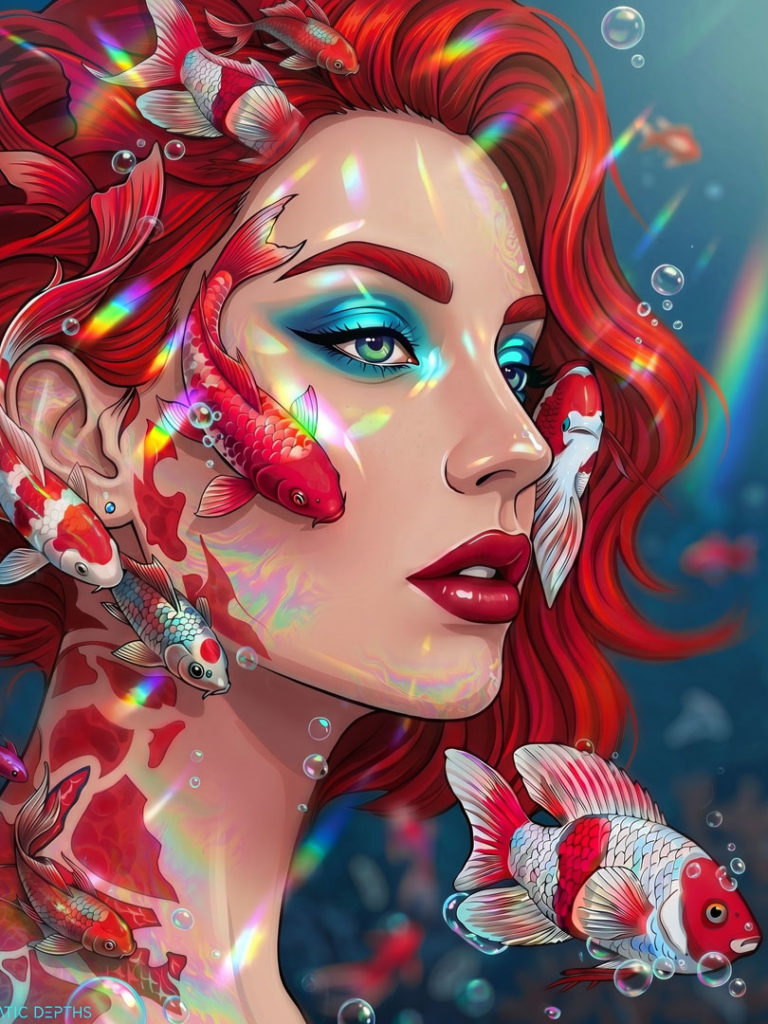
The art of digital illustration is undergoing a renaissance driven by artificial intelligence tools that expand what is creatively possible while respecting and building upon traditional artistic foundations. Contemporary illustrators are discovering that AI can serve as a powerful creative partner, helping them explore visual directions, overcome creative blocks, and achieve effects that would be difficult or impossible to produce through manual techniques alone. Far from making traditional illustration skills obsolete, AI tools are creating new demand for artists who combine strong foundational abilities with the technical sophistication to leverage AI effectively. This integration of classical artistic training with cutting-edge technology represents one of the most exciting developments in the history of visual art.
Smart Brushes and Context-Aware Tools
The most immediately accessible AI tools for illustrators are those that enhance and extend the traditional drawing and painting process. Smart brushes that respond to artistic intent, automatically adjusting their behavior based on the context of what is being drawn, have become standard features in leading illustration software. AI-powered colorization tools can take black and white line art and generate multiple plausible color versions, giving artists a starting point that they can refine and customize. Texture generation algorithms can create seamless patterns and surface details that would be tedious to produce manually, while AI upscaling tools allow artists to work at lower resolutions for speed and then scale their work up to final output quality without losing detail.
Style Transfer and Reference Integration
Style transfer and reference integration have emerged as particularly powerful applications of AI in illustration. Artists can capture the visual essence of a particular artistic style or reference image and apply it to their own compositions, not through simple filtering but through a deeper understanding of the compositional and color relationships that define the reference style. This capability allows illustrators to maintain visual consistency across a series of works, explore styles that differ significantly from their usual approach, or develop hybrid styles that combine elements from multiple sources. The key insight that has made style transfer useful for professional illustration rather than merely a novelty is that modern tools respect the artist’s original composition while applying stylistic characteristics from the reference, rather than simply overlaying filter effects that obscure the underlying artwork.
Workflow Integration and Plugin Ecosystems
The integration of AI into illustration workflows has required careful attention to how these tools interact with the creative process. Many professional illustrators report that the most valuable AI tools are those that operate within their existing creative workflow rather than requiring them to adapt to entirely new processes. Plugins and extensions for established software like Adobe Photoshop, Procreate, and Clip Studio Paint have been particularly successful because they add AI capabilities without disrupting the familiar tools and interfaces that artists already know. The best AI tools for illustration are those that feel like natural extensions of the artist’s existing practice, enhancing rather than replacing traditional skills and techniques.
Economic Implications for Illustrators
The future of AI-enhanced illustration will likely see increasingly sophisticated collaboration between human artists and AI systems. Early experiments with interactive AI illustration systems demonstrate the potential for truly collaborative creation, where artist and AI work together in real-time, with the AI responding to the artist’s strokes and suggestions while contributing its own ideas for the artist to accept, modify, or reject. This kind of genuine creative partnership represents a significant advance over current generation-and-edit workflows, promising a future where AI tools are not just assistants but genuine creative collaborators. The illustrators who will be most successful in this future are those who develop the skills to work effectively with AI, understanding both the capabilities and the limitations of these systems and using them to realize creative visions that would be impossible to achieve alone.
Originality and Style in the AI Era
The economic implications of AI-enhanced illustration are reshaping how illustrators price their work and structure their practices. Illustrators who incorporate AI tools report being able to take on more projects simultaneously, reduce their turnaround times, and offer clients faster iteration cycles than would be possible with traditional methods alone. Some illustrators have found that AI tools enable them to offer new services, such as rapid concept visualization and style exploration, that differentiate their practices and command premium pricing. However, the increased efficiency of AI-assisted illustration has also put downward pressure on rates for certain types of work, particularly in commercial illustration segments where speed and volume are prioritized over artistic uniqueness. Successful illustrators are navigating this changing landscape by emphasizing the creative direction, artistic vision, and personal style that AI systems cannot replicate.
Illustration Education Transformation
The relationship between AI tools and artistic style in illustration raises complex questions about originality and creative identity. Every illustrator develops a distinctive visual style over years of practice, and the ability of AI systems to replicate or approximate established styles has created concerns about style theft and creative appropriation. Some illustrators have responded by developing styles that incorporate AI-generated elements in ways that are difficult for other AI systems to replicate, creating a kind of stylistic immunity through complexity and idiosyncrasy. Others have embraced AI as a tool for style exploration, using it to push their work in new directions and discover visual approaches they might not have arrived at through traditional practice alone. The illustrators who thrive in this environment will be those who view AI as a stimulus for creative growth rather than a threat to established practice.
The Future of Human-AI Collaboration
The integration of AI into illustration education has become an important topic in art schools and training programs. Progressive educators are developing curricula that teach students how to use AI tools effectively while maintaining the foundational drawing and painting skills that underpin all visual art. There is growing recognition that AI literacy, the ability to understand what AI tools can and cannot do and to evaluate their outputs critically, is becoming an essential skill for contemporary illustrators. Programs that successfully integrate AI education with traditional artistic training are producing graduates who are well-prepared for a professional landscape in which AI tools are ubiquitous but human creativity and artistic judgment remain paramount.
The future of AI-enhanced illustration will likely see increasingly sophisticated collaboration between human artists and AI systems. Early experiments with interactive AI illustration systems demonstrate the potential for truly collaborative creation, where artist and AI work together in real-time, with the AI responding to the artist’s strokes and suggestions while contributing its own ideas for the artist to accept, modify, or reject. This kind of genuine creative partnership represents a significant advance over current generation-and-edit workflows, promising a future where AI tools are not just assistants but genuine creative collaborators. The illustrators who will be most successful in this future are those who develop the skills to work effectively with AI, understanding both the capabilities and the limitations of these systems and using them to realize creative visions that would be impossible to achieve alone.
Insights & Updates
The latest from the studio — project launches, behind-the-scenes looks, and thoughts on design, technology, and creative process.
Ready to get started?
Hey there! Looking to team up with a creative genius (that’s you!) for an exciting project? I’m all ears! Let’s combine our superpowers and make something awesome together!